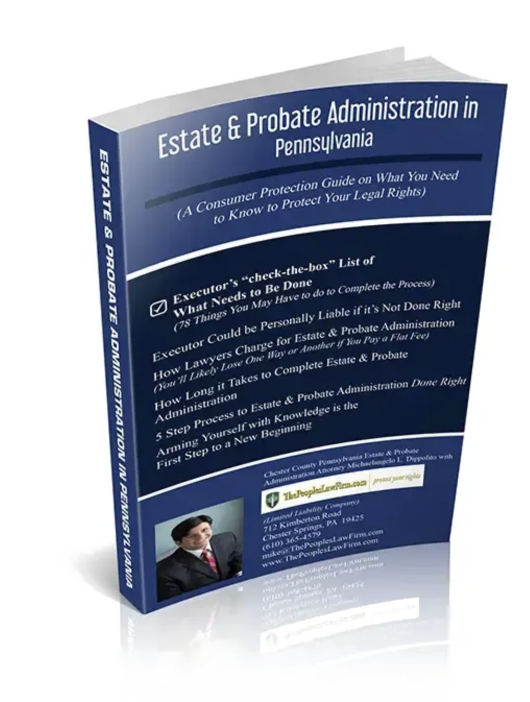





Losing a loved one is never easy, and dealing with the legal process that follows in Pennsylvania can feel like an impossible task. Probate is the court-supervised procedure used to manage and distribute a person’s assets after death.
This process ensures that debts are paid, property is transferred correctly, and the decedent’s wishes (if they left a will) are honored.
If you’ve been named as an executor or are a beneficiary, it’s important to know what probate involves and how it works under state law. Learn more about probate from the Phoenixville probate attorneys at ThePeoplesLawFirm.com.
The Purpose of Probate
Probate is meant to protect both the estate and those with a legal interest in it. Through this process, the court validates the will, appoints an executor or personal representative, and oversees the administration of the estate. I
f the person died without a will, Pennsylvania’s intestate succession laws may determine who will inherit their property.
Not every estate must go through full probate. Smaller estates valued under a certain threshold could qualify for simplified procedures. However, most estates that include real estate and/or significant financial accounts require formal probate procedures.
The Probate Process
Probate begins when the executor files a petition with the Register of Wills in the county where the decedent lived. Once approved, the executor receives letters testamentary (or letters of administration if there is no will), giving them authority to act on behalf of the estate.
From there, several steps follow:
- Notifying heirs, beneficiaries, and creditors: The executor must send official notices and publish announcements in a local newspaper to allow creditors to make claims.
- Inventorying the estate: All of the available assets must be located and evaluated.
- Paying debts and taxes: Outstanding debts and taxes must be settled before distributions can occur.
- Distributing the remaining assets: Once all obligations are handled, the executor divides what’s left among the heirs according to the will or state law.
The process can take anywhere from six months to over a year, depending on the estate’s complexity and whether disputes arise.
Common Challenges During Probate
Probate can move smoothly, but complications often delay the timeline.
Common challenges include:
- Missing/unclear wills that require court interpretation
- Beneficiary disagreements over how assets are divided
- Complex assets like businesses that must be appraised and sold
- Claims from creditors that take months to resolve
When conflicts occur, the appropriate Orphans’ Court may need to step in to resolve them. As these issues and others can have a dramatic impact on how smoothly the proceedings go, many families choose to work with an experienced probate attorney to help them.
Do I Need a Probate Lawyer in Pennsylvania?
While Pennsylvania doesn’t legally require executors to hire an attorney, probate law can be complicated in many circumstances. A probate lawyer can help:
- File all necessary documents on time
- Respond to creditor claims and tax concerns
- Guide you through accounting and asset distribution
- Represent you in court if disputes arise
At the end of the day, having legal help on your side can make the process faster and far less stressful.
Contact a Probate Attorney With ThePeoplesLawFirm.com for Guidance
If you’re serving as an executor or have recently lost a loved one, you don’t have to navigate the probate process by yourself. A knowledgeable Pennsylvania probate attorney can explain your rights and responsibilities and, from there, ensure the estate is settled properly.
Reach out for a free consultation to learn more about your next steps and how to protect your loved one’s legacy. You can call us at (484) 779-9282 or contact us by sending us a message online.