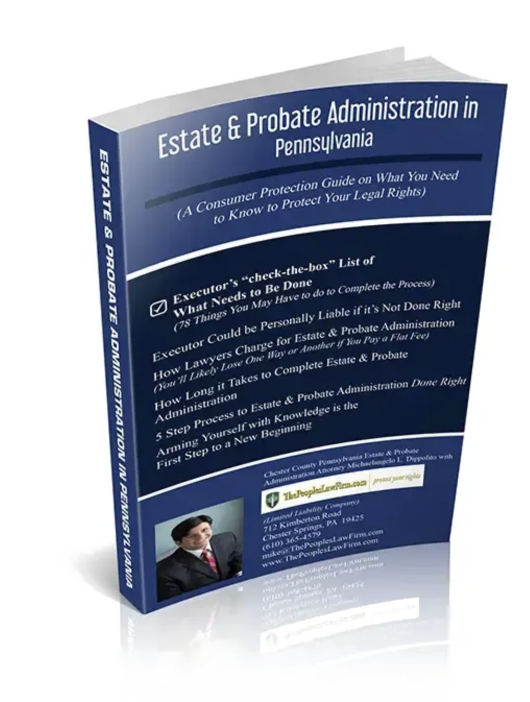





When someone dies without a valid will in Pennsylvania, the court appoints an estate administrator to manage their affairs. This person must handle everything from collecting assets to paying debts and distributing what’s left to heirs. The job carries serious legal duties that must be completed according to state law.
Opening the Estate
The process begins by filing paperwork with the Register of Wills in the county where the person lived. Once the court issues “Letters of Administration,” the administrator gains legal authority to act on behalf of the estate. They must notify heirs and other interested parties and promise to perform their duties faithfully.
Managing and Protecting Assets
The administrator must locate all property that belongs to the estate, such as bank accounts and real estate, and keep it safe until the estate is closed. This might involve tasks like maintaining insurance and preparing a complete list of everything the person owned to submit to the court, among others.
Paying Debts and Taxes
Before distributing any inheritance, the administrator must pay the estate’s debts and expenses. This includes funeral costs, medical bills, and state and federal taxes. If the estate doesn’t have enough cash, assets may need to be sold to cover what’s owed. Handling this stage carefully is crucial since administrators can be held personally responsible for mistakes.
Distributing Property
After all debts and taxes are paid, the administrator distributes the remaining property according to Pennsylvania’s intestate succession laws. These laws determine who receives an inheritance when there is no will.
Once distributions are complete, the administrator files a final report with the court and requests permission to close the estate.
Acting as a Fiduciary
Above all else, an estate administrator acts as a fiduciary, meaning someone who must always act in the best interests of the estate and its beneficiaries. This means avoiding conflicts of interest, managing assets prudently, and more.
If an administrator breaches these duties or mismanages estate property, the court may remove them and hold them personally liable for losses.
How Can a Lawyer Help With Estate Administration?
Administering an estate can be very difficult to handle for someone unfamiliar with probate law. An experienced estate administration lawyer can make the process easier by:
- Preparing and filing court documents correctly
- Explaining inheritance and tax obligations
- Ensuring debts and expenses are handled properly
- Preventing disputes among heirs and beneficiaries
- Keeping the process organized and on schedule
A lawyer can also help protect you from personal liability by making sure every step complies with state law.
Contact a Pennsylvania Estate Administration Lawyer With ThePeoplesLawFirm.com
If you’ve been appointed as an estate administrator, it may be wise to get legal advice and hire an attorney. Your lawyer can guide you through the process and help make sure the estate is settled correctly and efficiently.
Contact ThePeoplesLawFirm.com today for a free consultation to learn more about your duties and how to get started. We’re available 24/7 to take your call at (484) 916-3584 and have 20+ years of experience working in this area of the law.